



The work that goes into ABA care delivery doesn't end when the session does. For BCBAs and other ABA professionals, many hours are spent on work outside of direct care: writing reports, completing session documentation, following up on authorizations, navigating varying payor requirements, creating materials, and the list goes on.
As demands on clinical teams have grown over the last several years, organizations are rethinking how work gets done, with a focus on creating more manageable workflows without compromising care quality.
So, what is actually working? In a recent CentralReach clinical leadership webinar, clinical leaders from across the ABA field shared strategies their organizations are using to reduce administrative burden, better support their teams, and create more sustainable workflows.
Here are five strategies that stood out.
Leverage Your Team’s Skills and Abilities
One way organizations can reduce administrative burden is by taking a closer look at who is responsible for each task. BCBAs often take on responsibilities that, while clinically necessary, may add unnecessary administrative strain. Reconsidering how work is distributed across the team can create opportunities to shift some of that workload.
Kevin Marks, Clinical Director at Bass ABA Therapy, shared that creating therapy materials used to be a significant time commitment for BCBAs. His organization has since shifted that responsibility to dedicated staff, allowing clinicians to focus their time elsewhere.
At Beyond Autism Services, Alexis Klekos, Clinical Director, described a similar approach through the organization's RBT leveling structure. As RBTs progress through levels, they take on additional responsibilities, including creating stimuli, which helps reduce some of the workload on BCBAs.
The takeaway was clear. Reducing administrative burden isn’t always about decreasing the overall workload. Some tasks are non-negotiable. However, organizations can reduce the burden on individual clinicians by redistributing responsibilities and allowing staff to contribute in ways that align with their skills and experience. How an organization structures roles, delegates responsibilities, and leverages its team can make a meaningful difference in how work gets done.
Reduce Friction in Documentation and Reporting with Technology
The panel also discussed clinical documentation as a major source of administrative burden. For Brandi McGee, Director of Clinical Quality at Center for Social Dynamics, one of the biggest challenges isn't necessarily the documentation itself. It's the friction created when clinicians have to find and enter information across multiple systems. At Center for Social Dynamics, the team has focused on centralizing information within a single platform and simplifying documentation workflows.
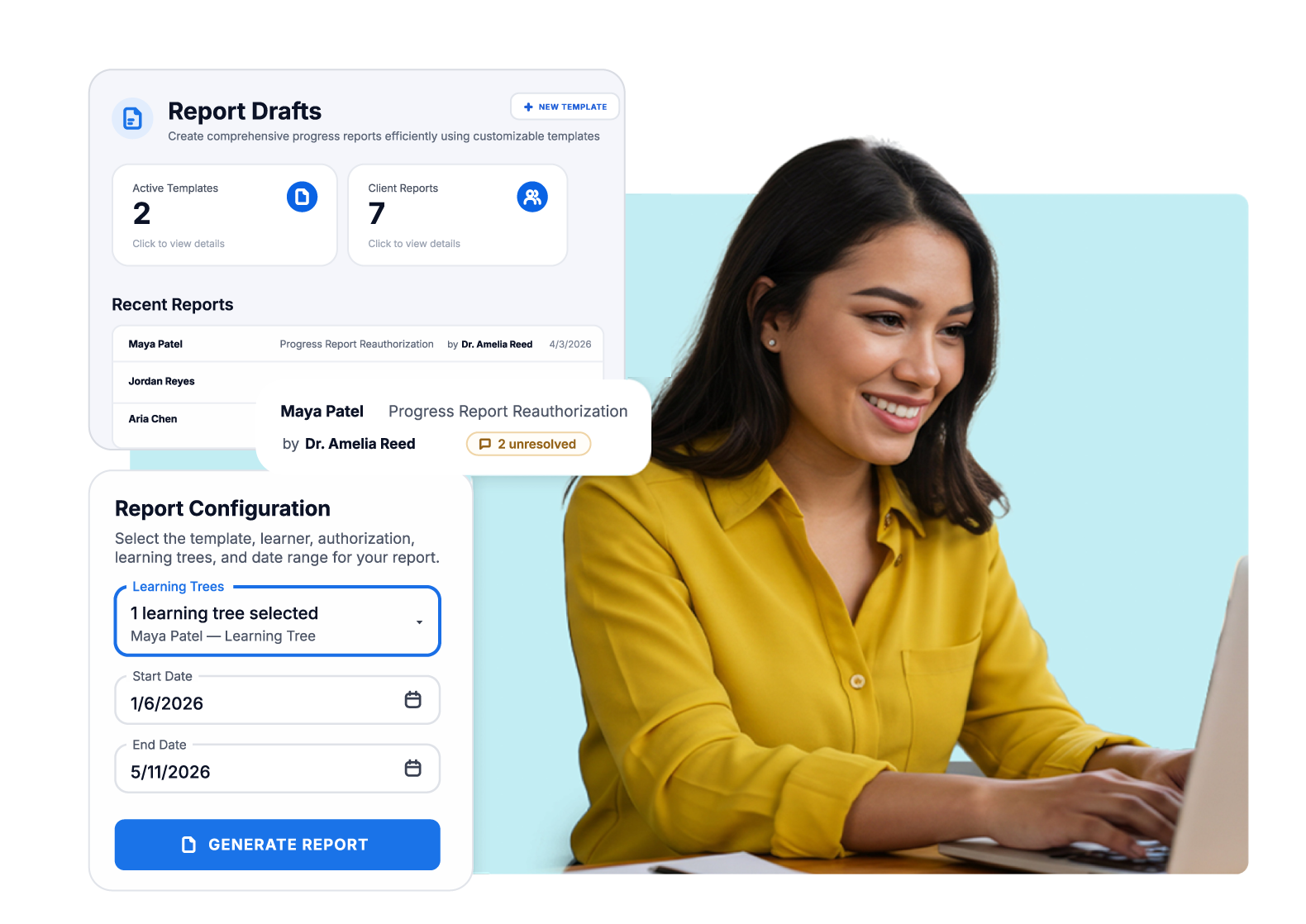
The panel also discussed how technology can streamline documentation, including automation, AI, and using payor-specific templates for session notes and treatment plans. Brandi emphasized that AI can be used to reduce administrative workload while keeping clinical judgment at the center of the process. “We’re leveraging AI where it’s clinically appropriate, while making sure we still have the human element and that it’s still focused clinically.”
Build Systems to Manage Payor Requirements & Compliance
Documentation, from authorization requests and treatment plans to session notes, becomes even more complex when clinicians are working with multiple payors. Each can come with its own requirements, expectations, and compliance standards.
The panelists discussed several ways their organizations are managing these complexities. One common approach is creating dedicated authorization and compliance teams or clearly defined roles to support authorization and compliance needs, rather than expecting individual BCBAs to keep up with evolving payor requirements on their own.
A clear flow of information around payor-related information is also important. At Beyond Autism Services, for example, the intake and authorization team communicates payor-specific requirements to clinical leadership, who then provide guidance to BCBAs and review documentation for compliance before submission.

Create Opportunities for Clinical Support and Collaboration
Another theme that emerged from the discussion was the importance of facilitating structured opportunities for collaboration. The panelists described several ways their organizations create regular opportunities for clinicians to connect, share ideas, ask questions, and support one another.
Regular collaboration can help prevent clinicians from feeling like they have to solve every problem on their own. At Beyond Autism Services, for example, weekly clinical meetings allow BCBAs and other providers to discuss clinical and administrative challenges, collaborate on cases, and share ideas.
Brandi highlighted the value of building a collaborative community, especially for newer clinicians or those working remotely, sharing, “Being able to bounce ideas off of other BCBAs and form that community is really impactful.”
Proactively Address Burnout by Listening to Your Team
Burnout was another major theme throughout the discussion. One of the simplest, yet most important, ways organizations can proactively address burnout is by listening to their teams. For example, Alexis emphasized the importance of creating a culture where everyone feels comfortable providing feedback.
Creating that kind of open communication can help organizations identify problems before they become larger issues. Staff may point out workflow challenges, clinical stressors, or other sources of frustration that leadership doesn't see from their perspective.
Build Workflows That Are Sustainable for Everyone
There’s no single solution to administrative burdens in ABA. However, one theme emerged across all panelists: sustainable operations require intentional workflow design.
That might mean leveraging team members differently, simplifying documentation, creating systems to manage payor complexities, building opportunities for clinical collaboration, or simply creating a culture where employees feel comfortable speaking up and providing feedback.
Want to Hear More About What’s Actually Working?
These are just a few of the strategies clinical leaders are using to reduce administrative burden and better support their teams. Watch the full webinar to hear Brandi, Kevin, and Alexis share more about what’s working, what they’ve learned, and how they’re building more sustainable workflows for their teams.
Posted in Review
You may also like...
Related information and stories

7 Clinical Challenges Facing ABA Organizations
BCBAs, clinical directors, and other supervisory staff in the ABA field commonly wear multiple hats, juggling a never-ending to-do list. Administrative burden is often a major contributor to that strain,…

AI in ABA Notes: A Provider’s Responsibility for Clinical Integrity
As AI becomes a routine part of ABA workflows, tools like AI-assisted session note drafting are proving to be highly valuable in saving time and reducing administrative workloads. These tools…

JoyBridge Kids: Redefining Autism Care with a Unified, People-Focused Model
JoyBridge Kids is a growing leader in interdisciplinary autism care, serving children across Tennessee, Georgia, and North Carolina. The team is committed to a clinician-first culture, with a service model…